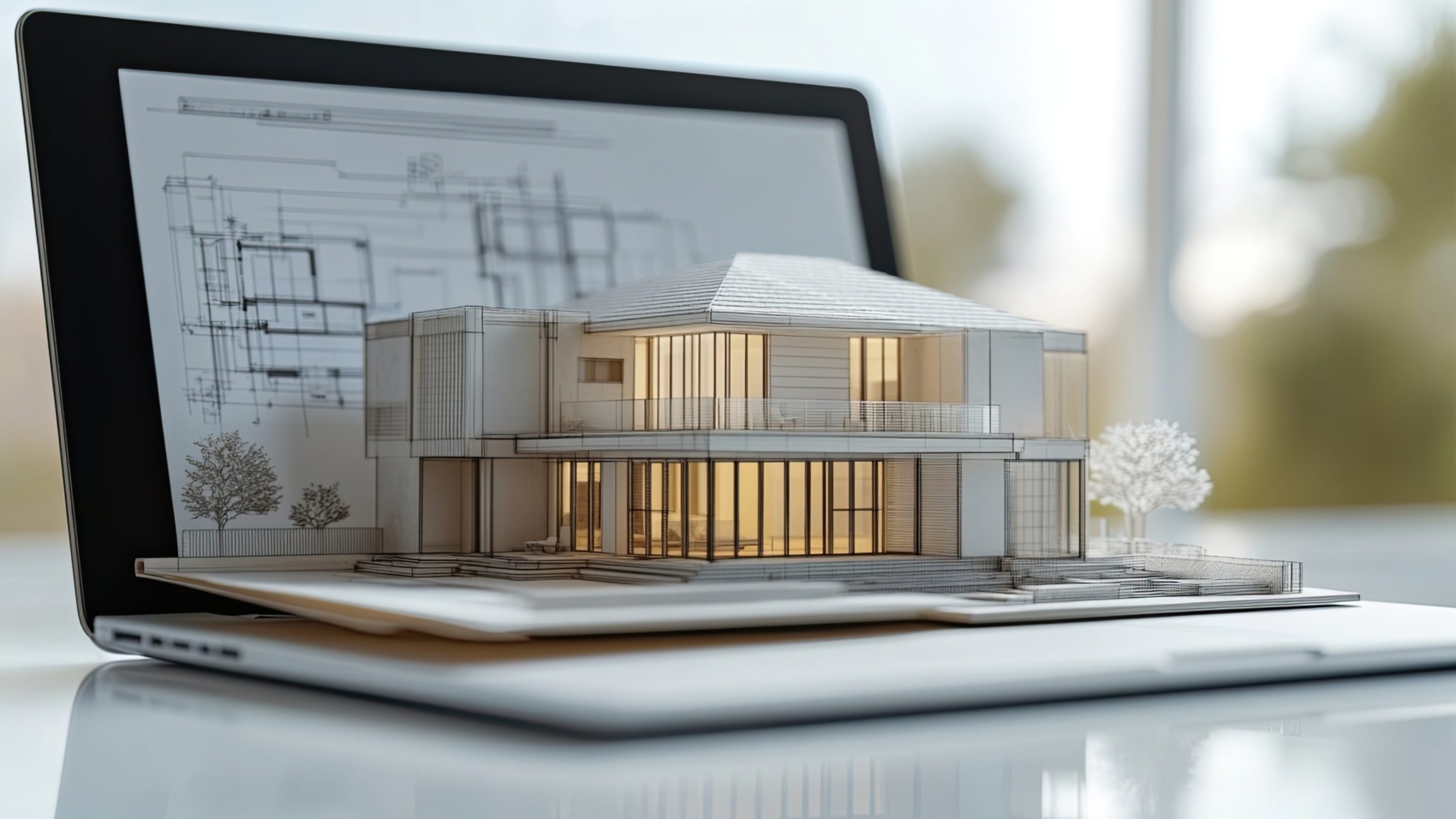

The Documents That Tell the Story of a Home

A house can communicate a great deal through its physical appearance, but some of its most important details exist on paper.

Documents can reveal previous work, ownership details, financial obligations, disclosures, repairs, permits, inspection findings, and other information that cannot be understood simply by walking through the rooms.

For a buyer, learning how to organize and interpret these materials can be just as important as evaluating the physical property.

Every Document Has a Different Purpose

Home-buying paperwork can feel overwhelming because many documents arrive during a relatively short period.

However, they do not all answer the same question.

Some describe the physical condition of the home.

Others explain the financing.

Some establish contractual responsibilities.

Others relate to ownership and the transfer of the home.

Understanding the purpose of each document makes the overall process easier to follow.

Read Before Signing

Documents should not be treated as formalities.

A signature can create legal or financial obligations, so buyers should take enough time to read and understand what they are agreeing to.

The CFPB specifically recommends reviewing closing documents carefully and asking questions when information does not match expectations.

This principle applies throughout the transaction, not only at the final table.

Compare Information Across Documents

Important details may appear in more than one place.

For example, information in earlier financing estimates can later be compared with final closing documents.

Inspection findings can be compared with seller disclosures and repair documentation.

Descriptions of completed improvements can sometimes be checked against available records.

Looking for consistency helps buyers identify questions that deserve clarification.

Renovations Have a History

A remodeled room may look entirely new, but its appearance does not explain how the work was completed.

When significant renovations are mentioned, buyers may want to understand what was changed, when the work occurred, and whether relevant documentation exists.

This can be particularly useful for major systems and structural modifications.

The objective is not to create unnecessary suspicion.

It is to understand the home’s history.

Disclosures Provide Context

Seller disclosures can provide information that may not be obvious during a viewing.

They can address known conditions, previous issues, repairs, or other matters depending on applicable requirements.

These documents should be read carefully rather than treated as background paperwork.

If a disclosure raises a question, that question can then be investigated through inspection, documentation, or professional advice.

Financial Documents Tell Another Story

For financed purchases, loan documents describe the financial structure of the transaction.

They contain terms that affect the buyer’s obligations, and those terms should be understood before signing.

The Closing Disclosure is particularly important because it presents final loan and closing details and is provided before closing for review in transactions where the form applies.

Comparing it with earlier documents can help identify differences that need explanation.

Keep Your Own Record

Digital files make document organization easier than ever.

Creating clearly labeled folders for inspections, financing, contracts, repairs, insurance, and closing documents can make future reference much simpler.

This becomes especially useful after moving in.

Years later, information about when a system was replaced or which repairs were completed may be valuable.

The home effectively develops a documentary history, and keeping that history organized can simplify future maintenance and ownership decisions.

Do Not Assume Familiar Words Mean Familiar Obligations

Legal and financial terminology can be deceptively simple.

A word that sounds familiar may have a specific meaning within a contract or financial document.

When a term is unclear, asking for an explanation is preferable to relying on assumptions.

The same principle applies to abbreviations, clauses, deadlines, and conditions.

Understanding the language before signing is part of responsible home buying.

Watch for Changes Near Closing

The final stage of a transaction deserves particular attention because details can change.

The CFPB advises buyers to compare final documents with earlier information and to ask about unexpected changes before signing.

This is also a period when fraudulent communications can appear convincing because buyers are already expecting frequent messages.

Independent verification of sensitive instructions is an important safeguard.

Documentation Creates Confidence

Paperwork may never be the most exciting part of buying a home.

Yet it provides something valuable: evidence.

Photographs show what a home looks like.

Inspections describe physical conditions.

Disclosures provide additional context.

Contracts define responsibilities.

Financing documents establish financial obligations.

Closing documents record the final transaction.

Together, these materials create a much more complete story than appearance alone.

A buyer who learns to read that story gains a deeper understanding of the home and the commitment being made.


The Kitchen Gets a Digital Makeover

The kitchen has always been one of the most active spaces in a home. It is where meals are prepared, ingredients are organized, appliances are used, and everyday routines often overlap. As household technology has evolved, the kitchen has become one of the most interesting places for digital innovation.

Modern kitchen technology is not simply about adding screens to traditional appliances. It is about creating tools that can make preparation more organized, equipment easier to understand, and everyday cooking more connected to the people using the space.

The transformation is happening gradually, with familiar kitchen objects gaining capabilities that would have seemed unusual only a short time ago.

Appliances Are Becoming More Aware

Traditional kitchen appliances generally performed one task according to settings selected by the user. Connected appliances can provide additional information about their operation.

A modern oven, for example, may provide details about its current cycle, temperature, or remaining cooking time through a digital interface. Refrigerators can provide information about internal conditions or selected functions. Dishwashers and washing appliances can communicate when their cycles are complete.

This added visibility can make kitchen routines easier to follow.

Instead of repeatedly checking an appliance, users can receive information when something requires attention.

The Connected Refrigerator

The refrigerator has gradually become more than a cold storage cabinet.

Some modern models can monitor internal conditions, provide digital controls, organize information, and interact with other household systems.

One interesting development is the growing emphasis on food awareness. Digital systems can help users keep track of stored items, expiration information, or frequently used ingredients, depending on the equipment and software involved.

The broader idea is simple: the refrigerator becomes part of the information environment of the kitchen.

This does not eliminate the need for human judgment, but it can make certain details easier to track.

Smarter Cooking With Precision

Cooking often depends on precision.

Temperature, timing, measurements, and preparation sequences can all influence the result. Digital kitchen tools can make these factors easier to monitor.

Connected thermometers can provide detailed temperature readings. Digital scales can assist with accurate measurements. Smart ovens may offer more precise control over cooking conditions.

These tools are particularly interesting because they combine traditional cooking knowledge with modern measurement.

Rather than replacing technique, technology can give cooks better information while they develop and refine it.

The Rise of Guided Preparation

Digital cooking platforms can also change how people approach recipes.

Instead of reading a long set of instructions from beginning to end, users can follow step-by-step guidance while preparing a meal. Timers, measurements, ingredient lists, and cooking stages can be presented at the moment they become relevant.

This can reduce the amount of mental organization required during complicated preparation.

The kitchen becomes a place where information is available alongside physical ingredients and equipment.

Digital Scales Have a Bigger Role

A kitchen scale may seem like a very simple device, but connected versions can add another layer of functionality.

Precise measurements can be displayed digitally, stored within an application, or incorporated into guided cooking workflows.

This can be useful when preparing recipes that depend heavily on proportions.

For baking in particular, accurate measurement can have a major influence on consistency.

The value of digital measurement is therefore not novelty. It is repeatability.

Timers Without the Mental Load

Cooking often involves multiple tasks happening simultaneously.

Something may be baking while another ingredient is being prepared and another process requires attention. Digital timers can help coordinate these activities.

Connected kitchen systems can take this further by allowing several timers to be managed from one interface or by linking timing information with particular appliances.

This can make complicated preparation easier to organize.

The technology does not cook the meal by itself. It simply helps reduce the number of details a person has to remember at the same time.

Appliances That Communicate

One of the more practical developments in connected kitchens is improved communication between appliances and users.

A device can indicate that a cycle is finished, a setting has changed, or maintenance may be required.

These messages can reduce uncertainty.

Instead of repeatedly checking whether something is ready, users can wait for the equipment to communicate its status.

This is particularly helpful during busy periods when attention is divided among several tasks.

The Kitchen as an Information Center

The kitchen has always been a place where information comes together.

Shopping lists, recipes, meal schedules, calendars, timers, nutritional information, and household reminders can all become relevant there.

Digital displays and connected devices can bring some of this information into the physical environment.

A wall-mounted screen or compact display can provide a recipe while cooking, show a timer, or display a list without requiring a person to handle a phone with messy hands.

This creates a more practical relationship between digital information and physical activity.

Technology Meets Traditional Cooking

Despite all these developments, technology does not replace the human side of cooking.

Recipes still depend on taste. Ingredients vary. Techniques require judgment. Family traditions often involve methods that cannot be reduced to a digital instruction.

In many ways, this makes kitchen technology more interesting.

The most useful tools do not attempt to eliminate human involvement. They support the parts of cooking where precision, organization, and timing matter most while leaving creativity to the person preparing the meal.

Accessibility in the Kitchen

Digital controls can also make some kitchen activities easier to approach.

Large displays, voice interaction, clearer notifications, adjustable interfaces, and remote controls can reduce physical or visual barriers associated with certain appliances.

This can make kitchen technology more flexible for people with different needs.

Accessibility is increasingly becoming part of good technology design rather than a separate feature added afterward.

Maintenance Becomes Easier to Understand

Kitchen appliances require regular care.

Filters need attention, components may require cleaning, and certain systems need periodic maintenance. Modern connected equipment can make these requirements more visible through reminders or status information.

This does not remove the responsibility of maintaining an appliance, but it can make maintenance easier to remember.

A device that communicates what it needs can help prevent small issues from becoming unexpected problems.

A More Connected Cooking Experience

The digital kitchen is not defined by one spectacular invention.

Its transformation comes from many smaller improvements: clearer controls, more accurate measurements, better timing, useful notifications, connected appliances, and accessible information.

Together, these changes create a kitchen that can feel more organized without becoming impersonal.

The most successful technology remains in the background when it should and becomes visible when it has something useful to contribute.

The Future of the Everyday Kitchen

The kitchen of the future may not look dramatically different from the kitchen of today.

Cabinets, counters, ovens, refrigerators, and cooking utensils will still have familiar roles. What changes is the layer of intelligence surrounding them.

Appliances can communicate more clearly. Digital tools can reduce repetitive tasks. Information can appear exactly where it is needed. Precision can become easier to achieve.

Technology is therefore not replacing the traditional kitchen. It is adding another dimension to it.

The result is a space where old-fashioned creativity and modern digital capability can exist side by side—a kitchen that remains deeply human while becoming increasingly connected.

Tiny Gadgets, Remarkable Possibilities

Some of the most useful developments in home technology are surprisingly small. They may fit in a palm, attach to a wall, sit beside a power socket, or disappear almost completely into the background.

Unlike large household appliances, these compact devices rarely become the visual center of a room. Their value comes from solving small problems, adding convenient functions, or giving people greater control over ordinary objects.

Together, these modest pieces of technology are creating a new layer of functionality throughout the modern home.

Small Devices With Practical Purpose

A compact smart gadget does not need dozens of features to be useful.

A connected button can provide a quick way to trigger an action. A smart plug can add remote control to a compatible appliance. A small display can show useful household information without requiring a phone.

The appeal lies in simplicity.

These products can address individual inconveniences without requiring a complete technological redesign of the home. Instead of replacing an existing system, a small accessory can sometimes add an entirely new capability to something that is already being used.

Smart Plugs: A Simple Upgrade

Smart plugs are among the easiest examples of how a small accessory can change the behavior of an ordinary device.

They can allow compatible equipment to be switched remotely or according to predefined conditions. Some models can also monitor electrical consumption, giving users a clearer picture of how certain appliances operate.

The important idea is that the appliance itself does not necessarily need to be technologically advanced.

The smart functionality can come from the accessory placed between the device and its power source.

Of course, electrical specifications matter. Users should always confirm that the connected equipment is appropriate for the plug and follow relevant safety instructions.

Compact Displays and Information Panels

Not every piece of household information needs to be accessed through a phone.

Small connected displays can provide clocks, calendars, weather information, timers, reminders, media controls, or other useful data at a glance.

Their greatest advantage is visibility.

A person can quickly check something without unlocking a phone, opening an application, or navigating through a menu.

This can be particularly useful in rooms where people frequently need simple information, such as kitchens, workspaces, bedrooms, or shared living areas.

Buttons That Do More Than Press

Physical smart buttons offer another interesting approach.

A single button can be configured to perform an action or sequence of actions. One press might control lighting, another could activate a predefined household routine, while a long press could perform a different function.

This combines the familiarity of a traditional physical control with the flexibility of connected technology.

There is something appealing about this simplicity. Instead of asking users to interact with a screen every time, the technology can provide a physical shortcut.

Environmental Mini-Sensors

Small environmental sensors can reveal information that would otherwise remain unnoticed.

Compact devices can monitor conditions such as temperature, humidity, brightness, or air quality depending on their capabilities.

Their physical size allows them to be placed in locations where larger equipment would be impractical.

The resulting information can help people understand how different areas of a home behave throughout the day. A room that feels comfortable in the morning may become considerably different later, while another area may consistently experience higher humidity.

The sensor itself may be tiny, but the information it provides can be surprisingly valuable.

Smart Trackers Around the Home

Connected trackers can help locate commonly misplaced objects or monitor the presence of certain items.

Keys, bags, remotes, equipment cases, and other everyday objects are easy to lose because they move constantly between rooms.

A small tracking device can reduce the time spent searching for them.

The broader significance is that smart technology does not always have to control something. Sometimes its role is simply to help people keep track of the physical things they already own.

Digital Timers and Scheduling Tools

Simple scheduling devices can also provide useful functionality.

Timers can help manage repetitive activities, remind users about recurring tasks, or control compatible equipment according to a predetermined schedule.

Unlike complex systems, these tools are easy to understand because their purpose is clearly defined.

This makes them a good example of how effective technology does not always require sophisticated interfaces.

Portable Technology Creates Flexibility

Small devices are often easier to move than larger connected equipment.

A compact speaker can travel from one room to another. A small display can be repositioned as household needs change. A portable environmental monitor can be used in different areas to compare conditions.

This flexibility gives households more opportunities to experiment with technology without permanently changing the physical environment.

It also makes small gadgets useful during periods of transition, such as reorganizing furniture or changing the purpose of a room.

The Value of Add-On Technology

One of the most interesting characteristics of compact smart devices is their ability to extend existing equipment.

People do not necessarily need to replace every traditional product to introduce connected functionality.

An accessory can sometimes bridge the gap between older equipment and newer digital systems.

This creates a gradual path toward modernization. Instead of treating a home as outdated because some devices are traditional, users can selectively introduce technology where it provides meaningful benefits.

Less Hardware, More Possibility

Small gadgets also demonstrate how much functionality can now fit into remarkably compact hardware.

Miniaturized processors, wireless communication components, efficient batteries, and increasingly capable software have made it possible to place advanced functionality inside devices that occupy very little physical space.

The result is a different relationship between technology and interior design.

Smart equipment does not always need to dominate the room. It can exist quietly alongside furniture, décor, and everyday objects.

Avoiding Gadget Overload

There is one important consideration when introducing small devices: quantity can quickly become complexity.

A single useful accessory can simplify a routine. Dozens of unrelated gadgets can create another layer of things to manage.

For that reason, each device should have a clear purpose.

A useful question is simple: does this gadget solve a recurring problem, provide information that matters, or make an existing activity easier?

If the answer is yes, its small size can be a genuine advantage. If not, adding another connected object may simply create more digital clutter.

Small Technology, Bigger Possibilities

The significance of compact smart gadgets is not their size alone. It is the way they allow technology to enter everyday life without demanding major changes.

A small button, sensor, plug, tracker, or display can address a specific need while fitting naturally into an existing environment.

These devices show that the evolution of the smart home does not depend entirely on large appliances or sophisticated systems.

Sometimes meaningful progress arrives in a package small enough to fit in the palm of a hand.

Human Side of Choosing a Place to Live

Home buying is often discussed through practical subjects: floor plans, financing, inspections, documents, construction, and long-term costs.

All of those elements matter.

But a home is ultimately a place where life happens, and the human experience of living there deserves equal attention.

The most carefully analyzed property can still feel wrong if it does not support the rhythms, habits, and emotional needs of the people who will inhabit it.

A Home Shapes Daily Habits

Architecture influences behavior in subtle ways.

A kitchen positioned near the main living area may encourage shared meals and conversation. A quiet corner may become a natural reading space. A well-organized entry can make mornings easier. A comfortable outdoor area can turn ordinary evenings into time spent outside.

These effects are rarely captured by measurements alone.

When evaluating a home, consider not only what each room is called but what people are likely to do there.

Think About Morning and Evening

One useful way to understand a home is to imagine an ordinary day.

Where does the morning begin?

Where do people prepare for work or school?

Where are meals prepared?

Where are belongings placed after coming through the door?

Where does everyone naturally gather?

Where does the household become quiet at night?

Imagining these transitions can reveal practical strengths and weaknesses that are difficult to see during a short viewing.

Personal Space Matters

Shared spaces often receive the most attention because they are visually prominent.

However, private space can have an equally important effect on everyday comfort.

Bedrooms, work areas, reading corners, hobby spaces, and quiet rooms provide opportunities to step away from household activity.

The balance between togetherness and privacy is different for every household.

A home should therefore be evaluated according to the kind of interaction its layout encourages.

The Feeling of Space Is Not Only About Size

Two rooms with identical dimensions can feel completely different.

Ceiling height, window placement, natural light, furniture arrangement, sight lines, colors, materials, and connections between rooms can all influence how spacious an environment feels.

This is why measurements should be considered alongside physical experience.

A smaller but well-organized room may feel more comfortable than a larger space with poor proportions.

The question is not simply how much space exists, but how effectively that space can be experienced.

Storage Is Part of Everyday Comfort

Storage may not be the most exciting part of a home tour, but it has a major influence on daily life.

Insufficient storage can gradually create visual clutter. Poorly located storage can make routine tasks inconvenient. Excessive storage may consume space that could otherwise serve another purpose.

Consider what the household actually owns.

Clothing, cleaning supplies, tools, seasonal items, kitchen equipment, sports gear, documents, and everyday objects all need places to go.

A home’s storage capacity should be considered in relation to the life that will take place inside it.

Sound Deserves Attention

Sound can significantly influence how a home feels.

Traffic, mechanical equipment, neighboring activity, plumbing sounds, echoes, and room-to-room noise can be difficult to appreciate during a brief visit.

If possible, spend enough time in different areas to notice the acoustic character of the home.

A space that looks peaceful may sound very different once normal activity begins.

This is especially relevant for bedrooms, workspaces, and rooms intended for relaxation.

Natural Light Changes the Experience

Light is another characteristic that can be difficult to judge from photographs.

The direction of windows, surrounding structures, room orientation, and time of day can influence how natural light enters the home.

Instead of asking only whether a room is bright during a viewing, consider how its lighting may change throughout the day.

Different spaces may serve different purposes depending on when natural light reaches them.

A Home Should Support Identity

People often personalize their homes through furniture, artwork, colors, objects, and routines.

A property does not need to look exactly like a finished interior design project to be successful.

In fact, excessive staging can sometimes make it difficult to imagine personal belongings inside the space.

Try to look beyond the current decoration.

Could the home reflect the household’s personality?

Can rooms evolve as interests change?

Does the architecture provide enough flexibility for personal expression?

These questions move the evaluation beyond appearance toward belonging.

Emotional Response Still Matters

There is nothing irrational about feeling connected to a home.

Comfort, familiarity, excitement, calm, and even nostalgia can influence how a space is perceived.

The important point is not to suppress these reactions.

Instead, combine them with practical investigation.

Emotion can tell you that a space resonates. Research and evaluation can help determine whether that feeling is supported by the home’s actual characteristics.

Choosing More Than a Structure

Ultimately, buying a home means choosing an environment for everyday life.

The walls, rooms, systems, and finishes matter, but so do the routines they enable.

A thoughtful home-buying process therefore asks two different questions:

Does the property make practical sense?

And does the environment make personal sense?

When both answers align, the home becomes more than a collection of physical features. It becomes a place capable of supporting the ordinary moments that eventually give it meaning.

Beyond the Screen: The New Era of Home Entertainment

Home entertainment has changed dramatically over the years. What was once centered around a single television and a collection of physical media has developed into a broader experience involving high-quality displays, wireless audio, streaming platforms, gaming systems, ambient lighting, and connected accessories.

The most interesting change is not simply that screens have become larger or sharper. Entertainment is becoming more immersive, flexible, and integrated into the character of the room itself.

A living space can now transform depending on what someone wants to watch, listen to, play, or experience.

The Television Is No Longer the Whole Story

The modern display remains an important part of home entertainment, but it increasingly functions as one component within a larger environment.

High-resolution content can be combined with sophisticated audio, streaming services, gaming equipment, and connected accessories. Instead of treating the television as an isolated object, users can build an entertainment environment around it.

This approach changes how a room is experienced.

The display provides the visual focus, while other technologies influence sound, lighting, comfort, and interaction. The result is less like simply watching a screen and more like creating a dedicated atmosphere.

Sound Becomes Part of the Space

Visual quality often receives the most attention, but sound can dramatically influence the feeling of an entertainment environment.

Modern audio systems can distribute sound across multiple locations, reduce visible cabling, and adapt to different room arrangements. Compact speakers can provide surprisingly detailed audio without requiring large traditional equipment.

Surround sound and spatial audio technologies can create a stronger sense of position and depth. Sounds can appear to originate from different directions, making films, games, and music feel more enveloping.

This development has made audio design an increasingly important part of the modern entertainment experience.

Creating an Atmosphere Around Content

Entertainment is no longer limited to what appears on the display.

Lighting can influence the atmosphere of a room while content is playing. Soft illumination can create a relaxed environment for a film, while more dynamic lighting can complement gaming or music.

The purpose is not necessarily to make lighting dramatic. In many cases, subtle changes can make a space feel more comfortable and visually balanced.

This is an example of how connected technology can affect entertainment without becoming the main attraction.

Gaming Moves Into a New Dimension

Gaming has become one of the most technologically demanding forms of home entertainment.

Modern gaming equipment can support high-resolution graphics, fast refresh rates, advanced sound, wireless accessories, and increasingly immersive interfaces.

The surrounding environment matters as well. Comfortable seating, appropriate lighting, clear audio, and organized equipment can influence how long sessions feel and how easily players can interact with their systems.

Gaming spaces are therefore becoming more intentionally designed rather than simply containing a console or computer.

Streaming Changes the Concept of a Media Library

Digital streaming has changed how people access entertainment.

Instead of organizing physical collections, viewers can access extensive libraries through connected devices. This has also changed the role of the television interface.

Search, recommendations, profiles, watchlists, and multiple content sources can now be managed through digital platforms.

The result is a more dynamic media environment. Content is no longer tied to a particular physical object sitting on a shelf.

At the same time, the abundance of choices introduces its own challenge: finding something to watch can sometimes require almost as much attention as watching it.

Wireless Technology Reduces Visual Clutter

Entertainment equipment traditionally involved multiple cables connecting displays, speakers, players, receivers, and accessories.

Wireless technologies have reduced some of this physical complexity.

Wireless speakers, headphones, controllers, and casting devices can make rooms easier to arrange and change. This is particularly useful when entertainment equipment needs to serve different activities or when furniture layouts change.

However, wireless does not mean technology has disappeared. Devices still require power, network connectivity, and occasional configuration.

The difference is that the physical environment can become cleaner and more adaptable.

Multi-Room Entertainment

Another development is the ability to extend entertainment beyond a single room.

Audio can move between spaces, allowing music to continue while someone moves through the home. Different rooms can also provide different experiences simultaneously.

This changes the traditional idea of a central entertainment area.

Instead of requiring everyone to gather around one device, connected systems can support multiple activities at the same time.

This can be especially useful in households where people have different schedules or entertainment preferences.

Personal Audio Gets More Sophisticated

Headphones have also evolved alongside connected home entertainment.

Wireless models can provide noise reduction, spatial audio, voice interaction, and seamless switching between devices. This creates a more private entertainment experience without requiring a separate room.

Personal audio can therefore complement shared entertainment rather than compete with it.

One person can listen to music, watch content, or participate in a game while others use the same living space for something entirely different.

Designing Entertainment Around the Room

The best entertainment environments are not necessarily the ones with the largest number of devices.

Room layout, acoustics, seating position, lighting, and viewing distance can all affect the experience.

A carefully positioned display may provide a better experience than a larger screen placed awkwardly. Similarly, well-positioned speakers can create more convincing sound than a larger collection of poorly arranged equipment.

This brings an important principle into focus: technology and physical design increasingly influence one another.

The Rise of Flexible Entertainment Spaces

Modern homes often need to support several activities within the same room.

A space may serve as a place for watching films in the evening, listening to music during the day, playing games with friends, or simply relaxing with background content.

Connected technology makes these transitions easier.

Different devices can be activated according to the activity, while lighting and audio settings can change the character of the space.

Instead of building a room around one permanent purpose, technology can help make the room more versatile.

Entertainment as an Experience

The future of home entertainment is not simply about sharper images or louder speakers.

It is increasingly about how different technologies combine to create an experience that feels natural within the space.

Displays, audio equipment, lighting, streaming platforms, gaming systems, and wireless accessories can each contribute a different layer.

When these elements are thoughtfully arranged, the technology becomes less noticeable and the experience becomes more important.

That may be the defining direction of modern home entertainment: moving beyond the idea of watching something on a screen and toward creating an environment where visual, sound, comfort, and atmosphere work together.

The living room is no longer just a place where entertainment equipment happens to be installed. It can become a flexible stage for stories, music, games, conversations, and moments of escape—all shaped by technology that quietly works in the background.

Why the Inspection Report Deserves a Second Look

A home inspection can produce a surprisingly large amount of information. Pages of observations, technical descriptions, photographs, maintenance notes, and recommendations can make the report feel overwhelming.

Yet the value of an inspection is not found in simply receiving the document. It comes from understanding what the findings mean.

A thoughtful review can help separate routine maintenance from significant concerns and minor imperfections from issues that deserve deeper attention.

Not Every Finding Carries the Same Weight

Inspection reports often contain numerous observations because inspectors are documenting the condition of the home rather than simply looking for dramatic defects.

A loose fitting, aging component, worn seal, minor crack, or missing maintenance detail may appear alongside more substantial findings.

Treating every item as equally serious can create unnecessary anxiety.

Instead, findings should be considered in context. What system does the issue involve? How extensive is it? Does it affect safety, function, durability, or appearance? Is it active or simply a sign of age?

These questions help create perspective.

Understand the Difference Between Maintenance and Major Defects

Homes are physical structures, and physical structures age.

Some inspection findings may represent ordinary maintenance needs. Others may indicate deterioration that requires professional evaluation or significant repair.

The distinction is important because a home does not need to be flawless to be a sensible purchase.

A buyer’s task is to understand the condition of the home well enough to make a considered decision.

If a report identifies a potentially significant issue, additional evaluation by an appropriately qualified specialist may be useful.

Look for Patterns

Individual observations can sometimes become more meaningful when viewed together.

Several signs of moisture in different areas may deserve more attention than one isolated stain. Multiple electrical concerns may justify a broader electrical review. Several symptoms involving a heating or cooling system may indicate that the equipment needs specialized assessment.

Patterns provide context.

This is one reason a careful review of the entire report can be more valuable than focusing only on the first few pages.

Photographs Can Add Important Context

Images included in inspection reports can make technical observations easier to understand.

A written description may seem abstract until the buyer can see the location and surrounding conditions.

Photographs can also help when discussing findings with contractors or other professionals. Instead of describing a problem from memory, the buyer can refer to a specific image and location.

This turns the inspection report into a practical reference rather than a document that is read once and forgotten.

Ask What Happens Next

An inspection identifies conditions; it does not necessarily determine the complete solution.

For example, an inspector may recommend evaluation of a particular system by a specialist. The next step may involve determining the cause, understanding the extent, and identifying possible approaches to correction.

This is where asking precise questions becomes useful.

What exactly was observed?

How serious could the issue be?

Does it affect current operation?

Could it become more significant over time?

Does a specialist need to examine it?

What information is still missing?

These questions can turn uncertainty into a more manageable process.

Inspection and Appraisal Serve Different Purposes

Buyers sometimes assume that an appraisal and inspection provide essentially the same type of evaluation. They do not.

An appraisal generally addresses the value of the home for purposes connected with lending, while an inspection focuses on physical condition. The CFPB specifically notes that buyers generally need both when financing a home, because they serve different purposes.

Understanding this distinction prevents buyers from assuming that one professional assessment replaces the other.

Use the Report During Further Discussions

Inspection findings can become relevant when discussing repairs or other transaction decisions.

Depending on the purchase contract and circumstances, buyers may have different options when significant issues are identified. In some situations, inspection-related provisions may allow further negotiation or cancellation.

The exact consequences depend on the contract and applicable rules, which is why buyers should understand their specific documents before making decisions.

Do Not Ignore Small Problems Completely

Minor findings may not affect the decision to purchase, but they can still be useful.

A collection of small maintenance items can help a buyer understand what ownership will involve during the first year or two.

Replacing worn seals, servicing equipment, correcting drainage details, repairing minor damage, or improving ventilation may not be dramatic projects, but they contribute to the ongoing condition of the home.

The report can therefore serve as an early maintenance roadmap.

Turn Technical Information Into Practical Understanding

The strongest use of an inspection report is not memorizing technical terminology.

It is translating technical observations into practical questions about living in the home.

Will this affect comfort?

Could it interfere with normal use?

Does it require attention soon?

Is specialist evaluation necessary?

Could the issue affect another system?

How might it influence future maintenance?

These questions make the report more useful to someone who is preparing to live in the home rather than simply studying its construction.

A Report Is a Starting Point

An inspection should not be treated as the final word on every aspect of a property.

It is a detailed snapshot of observable conditions at a particular point in time.

Its real value comes from helping the buyer see the home more clearly.

When the report is read carefully, discussed thoughtfully, and connected with other available information, it becomes more than a stack of technical pages. It becomes a tool for understanding the physical reality behind the listing photographs and making decisions with greater awareness.

When a Home Looks Better Than It Lives

Photography has changed the way people search for homes.

A carefully composed image can make a room appear larger, brighter, cleaner, and more inviting. Virtual tours can create an impressive sense of movement through a property. Staging can demonstrate how furniture might fit into a room.

These tools are useful, but they represent a curated version of reality.

A thoughtful buyer learns to move from visual appeal toward lived experience.

Photographs Have a Purpose

Listing photographs are intended to present a home attractively.

That does not make them misleading by definition. It simply means they are selected views.

A photograph rarely shows every corner of a room, every transition between spaces, or the practical relationship between rooms.

It also cannot communicate sound, smell, temperature, traffic patterns, storage limitations, or how the home feels during ordinary activity.

That is why photographs should begin the evaluation rather than finish it.

Look Beyond the Main Rooms

Marketing photography usually emphasizes the spaces most likely to create an immediate impression.

Buyers should also pay attention to less glamorous areas.

Where are mechanical systems located?

How accessible are utility spaces?

Where is laundry handled?

Is there practical storage?

How do bathrooms connect to bedrooms?

What does the entry look like?

Are there awkward transitional areas?

These details can influence daily life just as much as a beautifully renovated kitchen.

Imagine the Furniture You Already Own

Staging can make rooms look spacious and balanced.

One useful exercise is to mentally remove the staged furniture and imagine personal belongings instead.

Where would the sofa go?

Would the dining table fit?

Where would a desk be placed?

Would bedroom furniture leave enough walking space?

Could storage units fit without overwhelming the room?

This exercise helps transform a visually attractive room into a practical spatial calculation.

Notice What the Camera Does Not Show

During an in-person visit, look carefully at edges and transitions.

Inspect corners, ceilings, baseboards, window frames, flooring transitions, doors, closets, and utility areas.

These places can reveal details that are easy to overlook when attention is focused on the center of the room.

Again, a small observation is not automatically a defect.

The purpose is simply to build a fuller understanding of the physical environment.

Visit With Different Expectations

A home may feel completely different depending on the time of day and level of activity.

Morning light can create a different atmosphere from evening light. A quiet weekend can feel different from a normal weekday. Weather can influence how outdoor spaces and drainage behave.

When practical, considering different conditions can add useful perspective.

No single visit can reveal everything, but multiple perspectives can reduce the risk of forming an opinion around one carefully chosen moment.

Virtual Tours Have Limits

Digital tours are useful for narrowing a search, especially when many homes need to be considered.

They can help buyers understand layout, room relationships, and approximate proportions.

However, screens flatten certain experiences.

A camera may use a wide lens that makes a room appear larger. The screen cannot reproduce acoustic qualities or subtle smells. It may also hide areas that are outside the camera’s path.

Virtual viewing is therefore a valuable filter, but physical evaluation remains important when a home becomes a serious candidate.

The Exterior Matters Too

A home’s interior can dominate attention, but exterior conditions deserve their own evaluation.

Look at drainage, grading, roofing, exterior surfaces, walkways, entrances, landscaping, outdoor structures, and visible signs of wear.

Think about how these elements function rather than simply how they appear.

A beautifully landscaped yard may require significant ongoing care. A simple outdoor area may be easier to maintain and more suitable for the household.

Ask How the Home Will Feel on an Ordinary Tuesday

This may be the most useful question of all.

Not the day of the viewing.

Not the first evening after moving in.

An ordinary day.

Imagine waking up, preparing meals, working, cleaning, storing belongings, receiving deliveries, doing laundry, relaxing, and going to sleep.

Does the layout still make sense?

Does the home support those routines naturally?

The answer may reveal more than a staged photograph ever could.

Beauty Has Value, But Function Gives It Meaning

There is nothing wrong with wanting a beautiful home.

Visual appeal can contribute to enjoyment and personal satisfaction.

The key is recognizing that beauty and functionality serve different purposes.

A beautiful kitchen is more valuable when it is also practical.

An attractive bedroom is more useful when it supports rest.

A stylish living room becomes more meaningful when people actually enjoy spending time there.

The strongest homes combine appearance with everyday usability.

See the Home, Not the Presentation

A thoughtful buyer eventually needs to separate the presentation from the property itself.

The presentation may create excitement.

The property needs to withstand closer examination.

When buyers learn to look beyond staged rooms, polished photographs, and carefully selected angles, they begin to see the home as a physical environment rather than an image.

That shift can lead to more grounded expectations and a clearer understanding of what the home may actually be like to live in.

The Numbers Behind a Comfortable Home Purchase

A home purchase can look straightforward when viewed through a single number. Yet the true financial picture is rarely that simple.

The purchase amount is only one part of the equation. Financing, recurring housing expenses, maintenance, taxes, insurance, utilities, and future repairs can all influence how comfortable the home remains after the transaction is complete.

Understanding these layers can help buyers think beyond the initial figure and evaluate the broader financial structure of ownership.

Begin With the Full Monthly Picture

A mortgage payment is often the most visible recurring expense, but it is not necessarily the entire housing cost.

Depending on the home and financing arrangement, a household may also need to account for taxes, insurance, association charges, utilities, maintenance, and other recurring expenses.

Looking at these categories together creates a more realistic picture.

The purpose is not to make the process unnecessarily complicated. It is to avoid building a household budget around one payment while overlooking several smaller obligations that accumulate over time.

Upfront Expenses Deserve Attention

There are also costs associated with preparing for and completing a purchase.

Inspections, professional services, lender-related expenses, closing costs, initial deposits, moving expenses, and immediate household needs can all affect the amount of money required around the time of purchase.

Some expenses are predictable. Others depend on the home, transaction structure, financing arrangement, or services selected.

A detailed planning process therefore considers not only whether the purchase can be completed, but also whether the household will remain financially comfortable afterward.

The Difference Between Affordability and Comfort

A buyer may technically qualify for a certain level of borrowing without feeling comfortable carrying that obligation.

Qualification and personal affordability are not identical concepts.

A household has other financial responsibilities outside the home. Food, transportation, savings, education, family expenses, recreation, and unexpected events all compete for the same income.

A sustainable housing decision leaves room for the rest of life.

This is why a professional approach to home buying should consider the household budget as a whole rather than focusing exclusively on the maximum borrowing amount available.

Interest Has a Long-Term Effect

When financing is involved, the structure of the loan matters over time.

The interest rate, loan term, payment structure, and other terms can influence both the monthly obligation and the total amount paid throughout the life of the loan.

Comparing financing options therefore requires looking beyond the first payment.

A lower initial payment may not tell the complete story if the structure introduces other costs or changes over time. Conversely, a higher payment may be associated with a different long-term structure.

The important skill is understanding what each financing arrangement actually means.

Maintenance Belongs in the Budget

Homes require ongoing care.

Roofing, plumbing, electrical components, heating and cooling equipment, appliances, exterior materials, and other systems eventually need inspection, maintenance, repair, or replacement.

Not every expense arrives on a predictable schedule.

This makes maintenance planning particularly important. A household that considers only fixed monthly expenses may be surprised by a large repair later.

Setting aside room for unexpected household needs can make ownership more resilient.

Think in Terms of Trade-Offs

Every home purchase involves choices.

A larger home may require more maintenance. A newer home may have different upfront considerations. A highly customized property may require specialized care. A home with extensive outdoor space may involve additional seasonal work.

None of these characteristics is inherently positive or negative.

Their significance depends on the buyer’s priorities and capacity.

The right financial analysis therefore connects the numbers with the physical characteristics of the home.

Financing Documents Need Careful Attention

Once a buyer moves toward closing, documentation becomes increasingly important.

Loan documents contain specific terms and obligations that should be reviewed rather than assumed. The Closing Disclosure, for example, provides important details about the mortgage and closing costs and should be compared with earlier estimates.

Questions are appropriate whenever something is unclear or differs from what was previously expected.

Taking time to understand documents is not a sign of uncertainty. It is part of making an informed financial commitment.

Leave Space for Life After Closing

One of the easiest mistakes is concentrating so heavily on completing the purchase that the months afterward receive too little attention.

Moving can require new furniture, household equipment, repairs, maintenance, and other expenses. Even a home that appears ready for occupancy may reveal small needs once everyday life begins.

A healthy financial plan accounts for this transition.

The objective is to arrive at the new home with enough flexibility to actually enjoy living there rather than feeling financially stretched by the purchase itself.

Review the Budget as Circumstances Change

A home-buying budget should not be treated as a permanent number.

Income can change. Expenses can shift. Financing conditions can vary during the search. The chosen home may have different recurring costs from those originally anticipated.

Revisiting the numbers throughout the process helps keep the decision connected to current circumstances.

This is particularly important when the search takes several months. A budget that made sense at the beginning may need to be reconsidered later.

A Home Is a Long-Term Financial Commitment

The strongest financial preparation does not focus on finding the largest possible home. It focuses on finding a purchase structure that remains manageable.

That means looking at the complete cost of ownership, understanding financing terms, accounting for maintenance, preserving financial flexibility, and recognizing that life continues after the closing date.

A home should provide stability, not constant financial pressure.

When buyers understand the numbers behind the physical property, they gain another important perspective: the home is not simply something to purchase. It is an ongoing financial responsibility that needs to fit comfortably into the larger shape of life.

The Architecture of a Successful Home Search

A productive home search is not simply a matter of browsing listings until something feels right. It is a process of gradually turning a broad idea into a specific understanding of what kind of home can support a particular way of life.

That process has several layers.

First comes self-awareness. Then research. Then comparison. Then physical evaluation. Finally, there is the transition from possibility to commitment.

Thinking of the search as a structured process can make each stage easier to manage.

Stage One: Define the Life, Not Just the House

Before looking at individual properties, consider what everyday life should look like.

A person who works remotely may need quiet and dependable workspace. Someone who enjoys cooking may prioritize kitchen functionality. A household that frequently hosts visitors may value flexible common areas. Someone who prefers minimal maintenance may have very different priorities from someone who enjoys hands-on projects.

These differences matter.

The same floor plan can be highly practical for one household and awkward for another.

Stage Two: Establish a Practical Framework

Once priorities are understood, they can be translated into measurable characteristics.

Instead of saying, “I want a comfortable home,” identify what comfort means.

It might mean natural light, adequate storage, a quiet sleeping area, manageable upkeep, useful outdoor space, or a layout that separates work and relaxation.

Specific criteria make the search easier to organize.

They also make it easier to explain why one home fits better than another.

Stage Three: Research Before Emotion Takes Over

Online listings can create strong impressions before a buyer ever enters the home.

Photography, staging, descriptions, virtual tours, and floor plans are designed to communicate possibilities.

They are useful, but they are not the same as experiencing the home.

Research should therefore provide a preliminary understanding rather than a final conclusion.

Look at available documentation, property details, known improvements, and practical characteristics before becoming emotionally attached to a particular listing.

Stage Four: Visit With a Purpose

A home visit should answer questions.

How does the layout feel when moving through it?

Are rooms proportioned realistically?

Is there enough storage?

How does natural light change between spaces?

Are there unusual sounds or smells?

Does the home feel easy to navigate?

What appears well maintained?

What deserves further investigation?

A purposeful visit produces observations that are much more useful than simply deciding whether the house “feels nice.”

Stage Five: Investigate the Physical Condition

Once a home becomes a serious candidate, deeper evaluation becomes important.

Inspection, documentation, maintenance history, and specialist assessments can reveal information that a viewing cannot.

This is where patience becomes valuable.

A property may look compelling, but a buyer should understand its physical condition before moving toward a final commitment.

Stage Six: Compare the Whole Picture

Comparison is most useful when it includes more than appearance.

Consider the relationship between:

  • location and daily routines;
  • layout and household needs;
  • condition and future maintenance;
  • financing and broader finances;
  • improvements and their practical value;
  • present suitability and future flexibility.

A home rarely wins every category.

The objective is to understand the complete picture rather than allowing one attractive feature to dominate the decision.

Stage Seven: Read the Documents Carefully

As the process advances, paperwork becomes increasingly important.

Contracts, financing documents, inspection reports, disclosures, and closing documents each describe a different part of the transaction.

The CFPB recommends reviewing closing documents in advance and comparing important details with earlier documents rather than assuming everything remains unchanged.

This is an area where slowing down can be more valuable than moving quickly.

If something is unclear, questions should be asked before signatures are placed on documents.

Stage Eight: Perform a Final Reality Check

Near closing, the emotional side of the purchase can become especially strong.

The home has already become real. Plans for moving may be underway. Expectations are high.

That is exactly why a final review can be useful.

Does the home’s condition match what was understood earlier?

Were agreed repairs completed?

Do the documents reflect the expected transaction?

Are there unresolved questions?

The CFPB specifically recommends a final walk-through and careful document review before closing.

A Process Creates Clarity

The purpose of structure is not to remove emotion from home buying.

It is to give emotion a reliable framework.

Excitement can remain part of the experience while research, inspection, financial planning, and document review provide additional perspectives.

This creates a healthier decision-making process because no single moment has to carry the entire weight of the purchase.

A successful search is therefore not defined only by how quickly a home is found.

It is defined by how clearly the buyer understands why that home fits, what it requires, and what the commitment actually involves.